
Wedding Photography vs Wedding Cinematography: What Couples Need to Know
Understand the key technical and artistic differences between still wedding photography and cinematic filmmaking to plan the ideal coverage blend for your celebration.
Senior Visual Lead, FliqaIndia
Cinematography & Visual Production
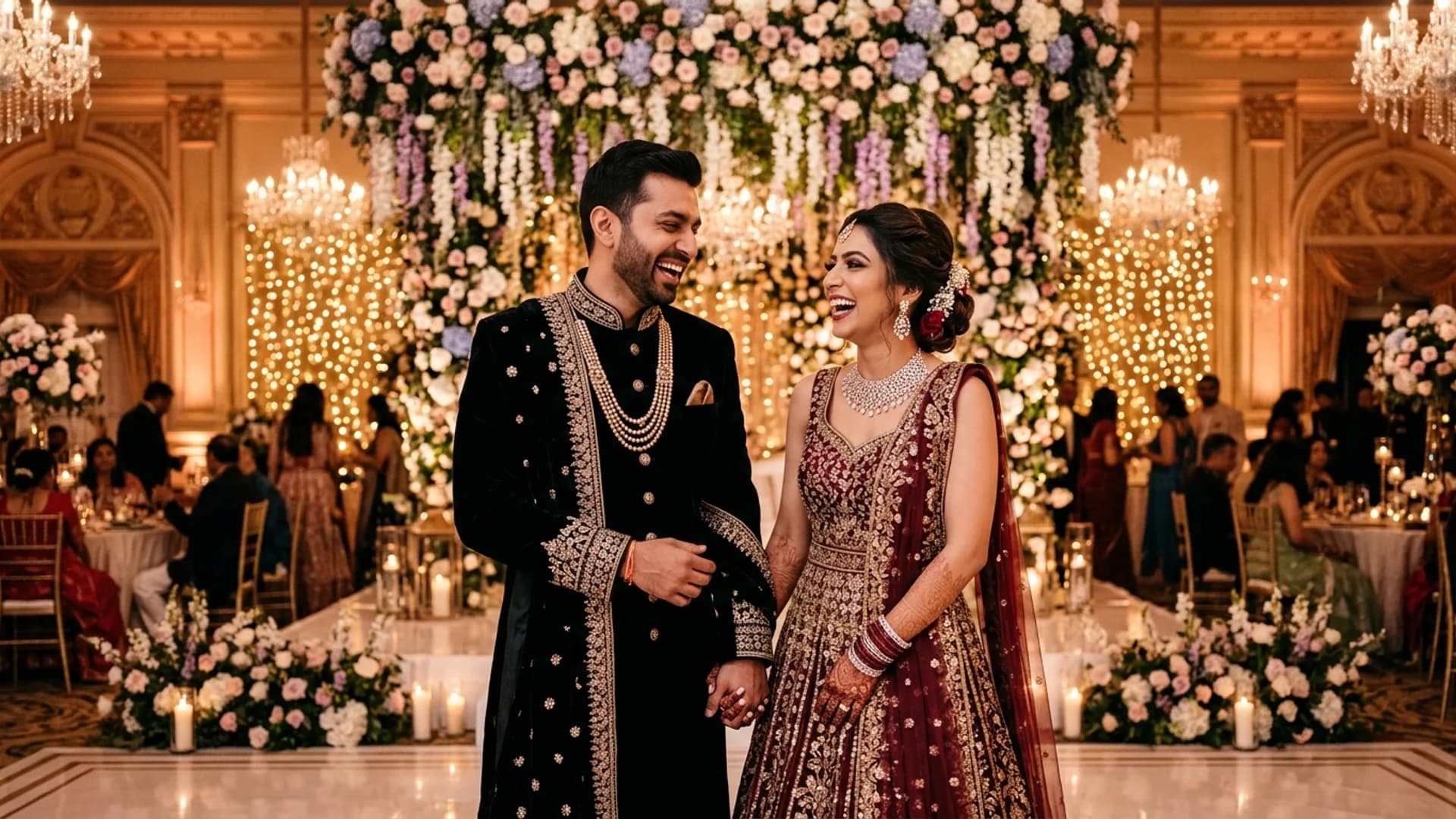
Cinematography captures dynamic motion, vocal cadence, and moving musical narrative.
1. The Creative Medium: Still Frame vs Temporal Rhythm
While still photography isolates an unrepeatable split second in time—a father's tears during the Kanyadaan, a bride adjusting her veil, or hands joined over the sacred fire—cinematography brings that world to life through movement, atmospheric sound, and pacing.
A modern wedding film is not a continuous, unedited three-hour home video shot from the rear corner of a hall. It is a carefully scored, color-graded cinematic short film that captures vocal nuances, heartfelt laughter, background shehnai melodies, and the rhythm of the celebration.
2. Technical Gear: Lighting, Gimbals & Wireless Audio
The equipment demands for high-end wedding cinematography differ fundamentally from still cameras:
- Audio Capture: While still cameras disregard sound, cinematographers place discreet wireless lavalier microphones on the groom and officiant to capture clean vocal vows without background hall echoes.
- Stabilization & Movement: Cinematic coverage utilizes electronic 3-axis gimbal stabilizers (DJI Ronin series), fluid-head video tripods, and slow tracking sliders to produce smooth cinematic camera movements.
- Frame Rates & Color Profiles: Cinematographers shoot in 10-bit logarithmic color profiles (Log) at 24fps for filmic cadence and 60fps/120fps for emotional slow-motion replays of the Baraat and Varmala fireworks.
3. Why Indian Weddings Benefit from Harmonized Dual Teams
When photography and cinematography crews work as an integrated unit under a single production coordinator, they collaborate rather than compete for angles: 1. They avoid blocking each other's key sightlines during pivotal moments. 2. They share coordinated off-camera continuous lighting and wireless transmitters. 3. They ensure uniform color grading and aesthetic harmony between printed albums and film exports.
Planning Your Wedding or Shoot?
Compare clearly defined photography and cinematography packages with transparent deliverables.
Related Guides & Tips
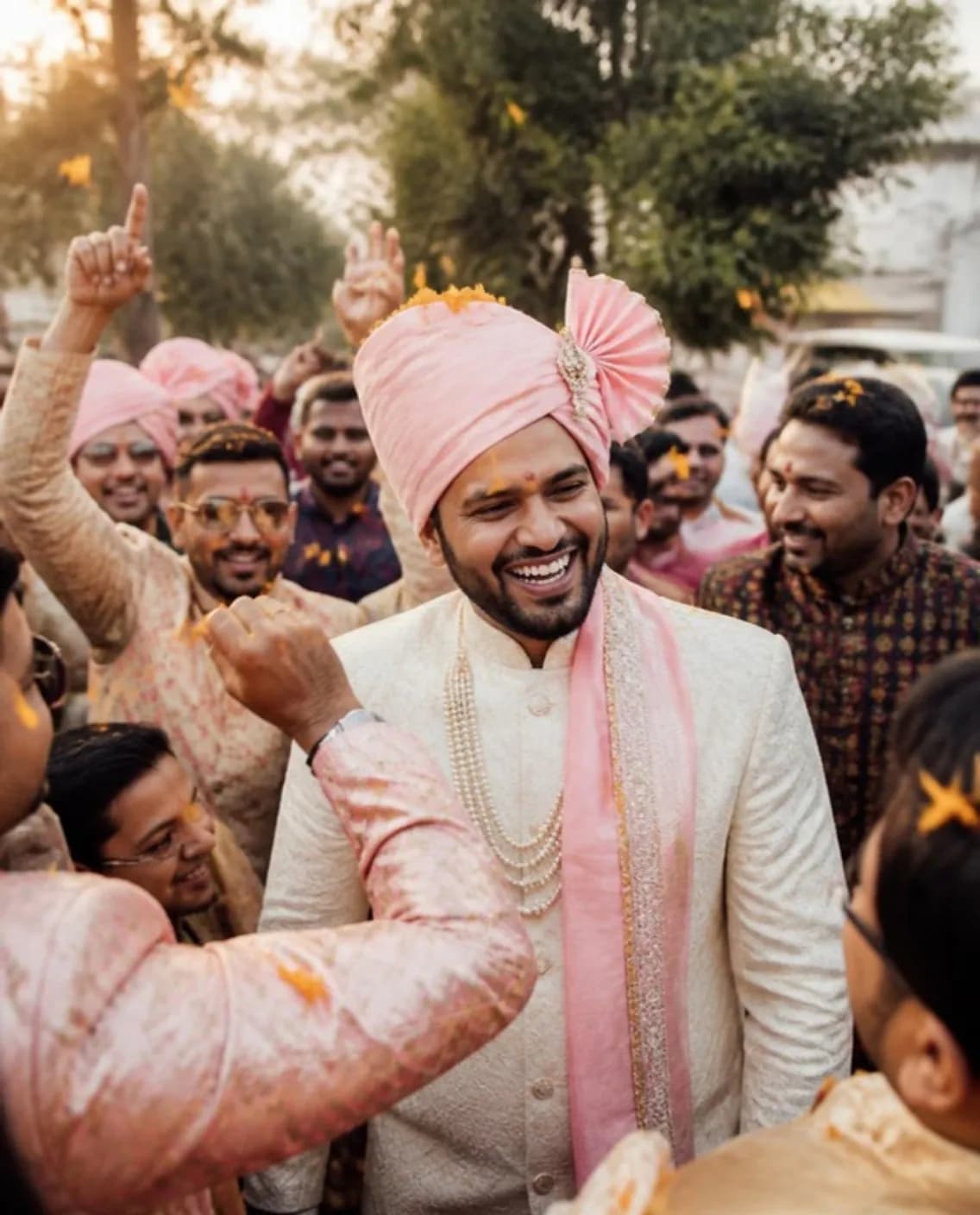
Traditional vs Candid Wedding Photography: Balancing Rituals and Emotion
Why modern Indian weddings need both traditional documentation and candid artistic storytelling, and how to allocate your coverage smoothly.
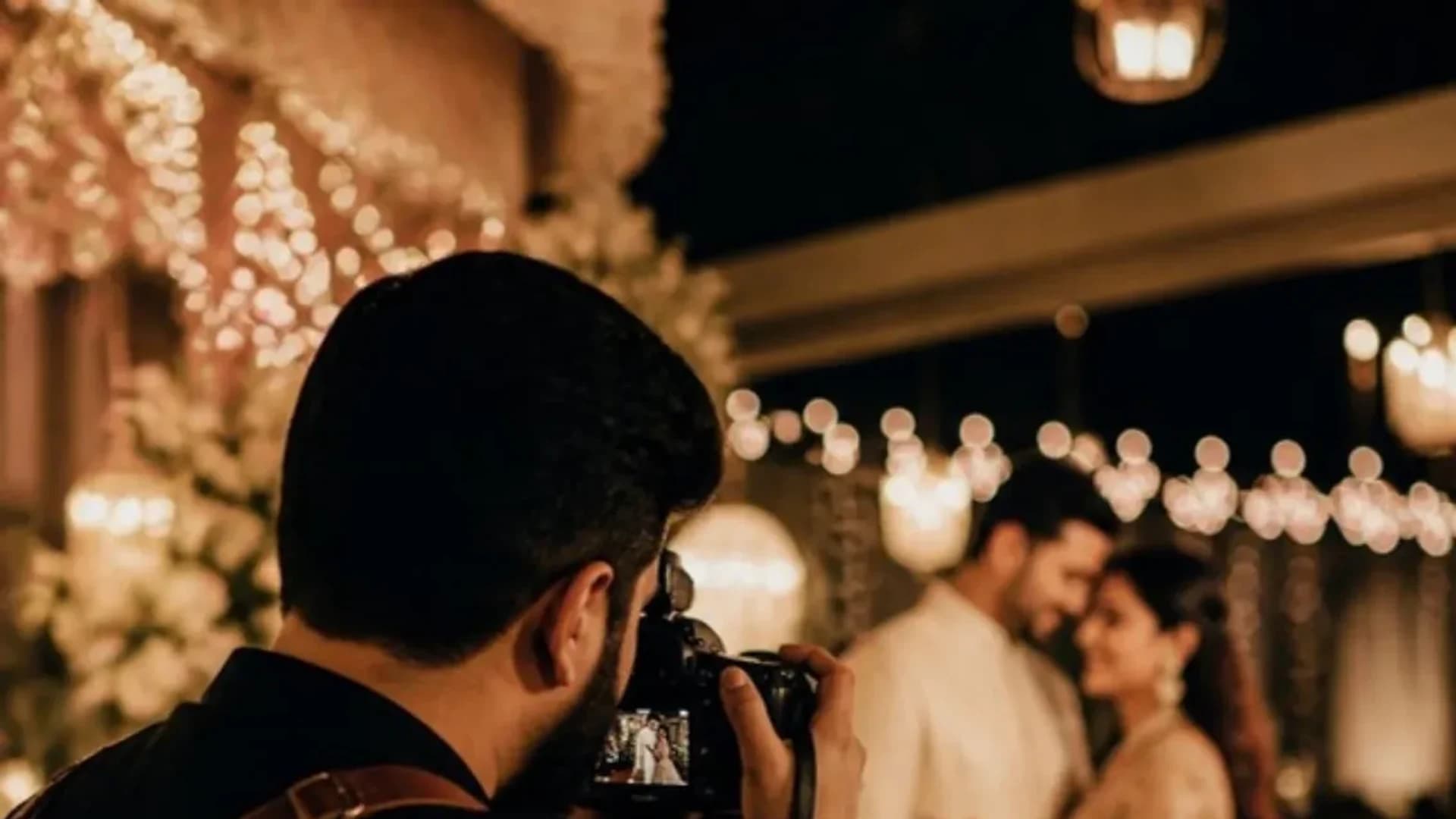
How Many Photographers and Cinematographers Do You Need for an Indian Wedding?
A mathematical and operational formula to determine your ideal photography crew size based on guest count, parallel rituals, and venue geometry.
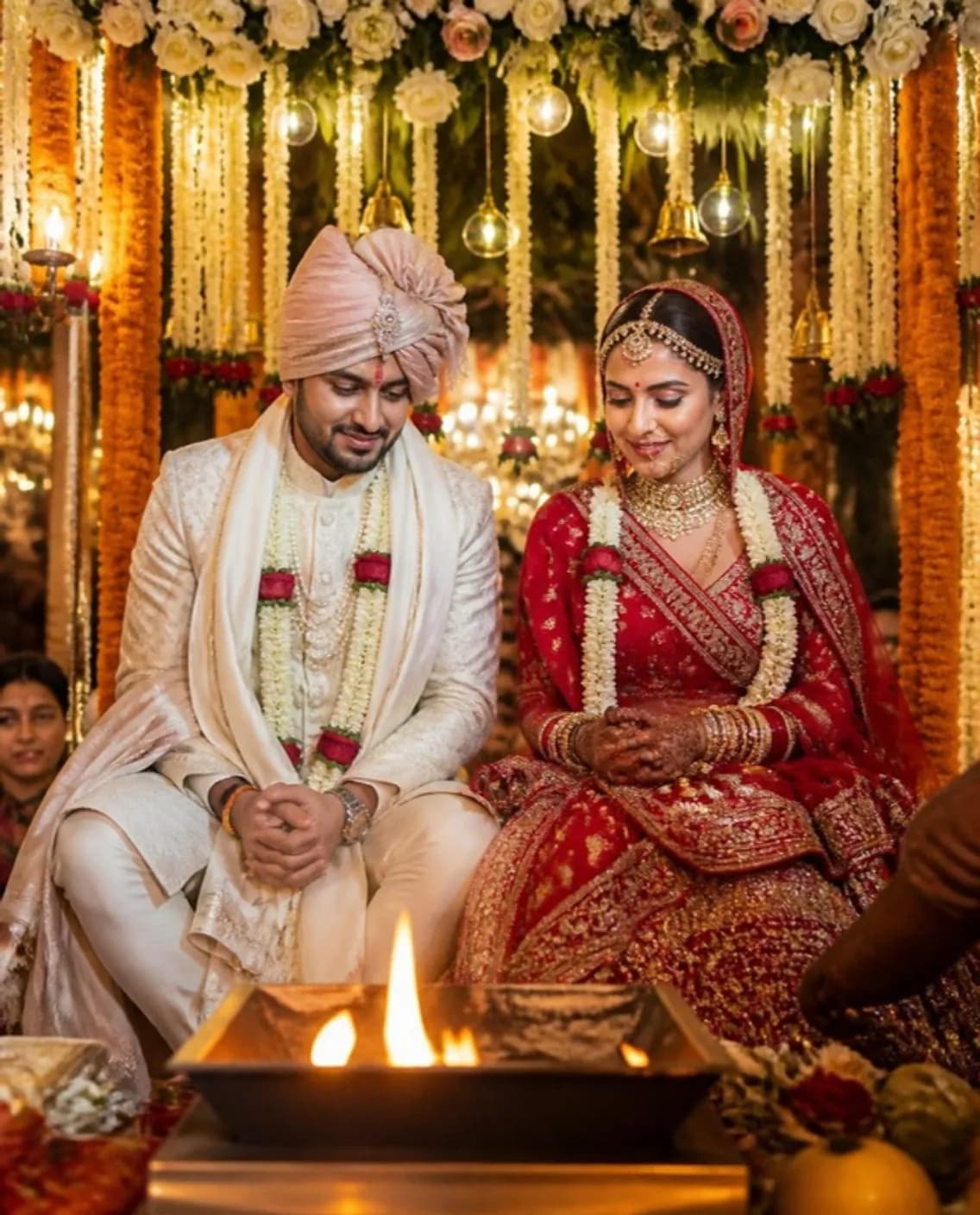
Complete Wedding Photography Checklist for Indian Couples
A comprehensive master shot-list covering bridal prep, jewelry flat-lays, family rituals, Baraat madness, sacred Mandap moments, and post-wedding send-offs.
Your Story Deserves to Be Remembered.
Whether you are planning an intimate pre-wedding session or a grand multi-day celebration across India, our team brings artistic storytelling and professional coordination to every frame.